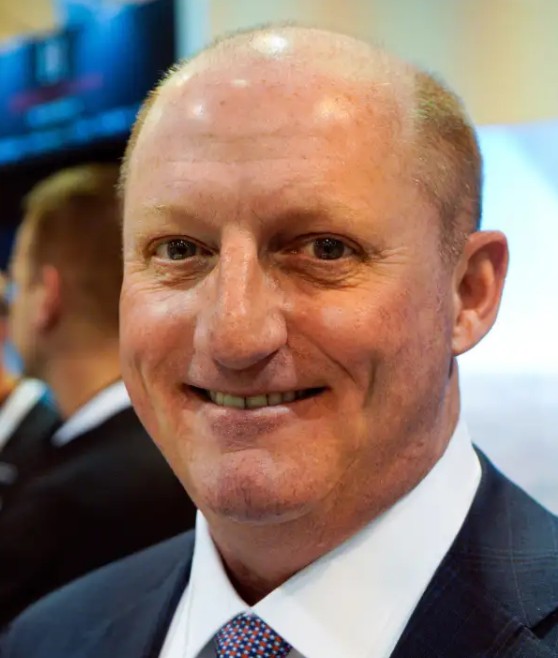
The Dawn of a New Era: Greg Abel Takes the Helm at Berkshire Hathaway
The financial world has long hung on every word from Warren Buffett, the legendary "Oracle of Omaha," whose annual letters to shareholders were as much philosophical treatises as they were business updates. With Buffett stepping down as CEO at the end of last year, concluding a remarkable six-decade tenure, the spotlight has now firmly shifted to his successor, Greg Abel. This transition marks a pivotal moment for Berkshire Hathaway, a conglomerate transformed from a struggling textile mill into a global powerhouse owning everything from insurers and railroads to energy and retail giants, now valued at over $1 trillion.
Abel, at 63, faces the unenviable task of following an icon. While Buffett remains chairman, his promise to be "going quiet" underscores Abel's full assumption of leadership. Investors, analysts, and even casual observers have been eagerly anticipating glimpses into Greg Abel's First Letter: Unpacking Berkshire's Post-Buffett Path to understand how Berkshire Hathaway will evolve under his stewardship. His inaugural annual letter was thus more than just a financial report; it was a declaration of intent, a roadmap for the future, and a clear articulation of the Greg Abel on Berkshire's Cash Pile: A Strategic Asset, Not Retreat, rather than a sign of indecision.
Unpacking Greg Abel's Investment Philosophy: Steadfast Stewardship
In his first communication as chief executive, Greg Abel wasted no time in reassuring shareholders that Berkshire's foundational investment philosophy remains firmly rooted in the principles long extolled by Warren Buffett. This commitment to continuity, even as he carves out his own leadership style, is central to understanding Greg Abel's thinking. He presented himself not as a revolutionary, but as a steadfast steward of a formidable legacy, signaling that the core tenets of value investing, prudent capital allocation, and a fortress-like balance sheet will endure.
Abel underscored Berkshire's commitment to maintaining its immense financial strength, declaring the balance sheet a "strategic asset." This wasn't merely lip service; it was a practical affirmation that this financial strength allows Berkshire to "act decisively, invest when others are tentative or fearful, and stand firm when financial storms roll through." This counter-cyclical approach, a hallmark of Buffett's strategy, is clearly integral to Abel's vision as well. He reiterated that the company's significant cash holdings — an amount that once famously bothered Buffett if it grew too large without deployment — do not indicate a retreat from deal-making, but rather a readiness for the right opportunities. This patient, disciplined approach is a cornerstone of effective long-term investing.
The Strategic Power of Berkshire's Cash Pile
At a staggering $381.7 billion (or €930 billion as noted in recent reports), Berkshire Hathaway's cash pile is not a sign of stagnation but a testament to its strategic optionality. Greg Abel's thinking on this issue is clear: it's a war chest, enabling the conglomerate to pounce on substantial acquisitions or make significant investments when valuations are attractive, often during periods of market distress. For individual investors, this principle offers a valuable lesson: maintaining a healthy cash reserve isn't just about safety; it's about being prepared to capitalize on opportunities when others are panicking. This liquidity ensures Berkshire's resilience and ability to grow organically and through strategic acquisitions, solidifying its role as "an asset, not a risk, to America and the global financial system."
Beyond potential acquisitions, Abel also confirmed the continued importance of share repurchases as a capital allocation option. This strategy, favored by Buffett in recent years, returns capital to shareholders by reducing the number of outstanding shares, thereby increasing earnings per share and intrinsic value for remaining shareholders. The decision not to pay a dividend, as long as Abel and the board believe Berkshire can generate superior shareholder value with that capital, further emphasizes a growth-oriented, compounding philosophy that prioritizes long-term appreciation over immediate payouts. This reflects a deep understanding of capital efficiency and a commitment to reinvesting profits where they can generate the highest returns.
Navigating Equity Holdings: A Long-Term Perspective
Perhaps one of the most reassuring takeaways from Abel's letter was his commentary on Berkshire's largest equity positions. He indicated that investors should expect only "limited activity" in these cornerstone holdings, praising the leadership of the companies in Berkshire's top four equity positions. This insight into Greg Abel's thinking reveals a continuation of Berkshire's long-standing buy-and-hold philosophy. When Berkshire invests, it’s not for short-term gains but as a partner in robust businesses with strong competitive advantages and excellent management.
His specific commendation for Apple, Berkshire's largest equity holding, was particularly notable, especially as its earnings per share had risen an impressive 19% year over year in its most recent quarter. This praise underscores Berkshire's confidence in Apple's enduring strength and innovation, rather than signaling any intention to divest. For investors, this provides a powerful example: when you invest in quality companies with strong fundamentals and competent leadership, patience often yields superior returns. The focus remains on compounding value over time, allowing strong businesses to grow and generate wealth, rather than engaging in speculative trading.
What to Expect from Greg Abel's Berkshire: Operational Focus and Prudent Growth
While committed to Buffett's overarching principles, Abel's leadership style and communication approach present a distinct shift. Known for his "nuts and bolts" understanding of Berkshire's diverse businesses – a trait honed during his time leading Berkshire Hathaway Energy and other non-insurance operations – Abel's annual letter was expected to be less lyrical and more operationally focused than Buffett's often philosophical missives. This practical orientation defines Greg Abel's thinking. It signifies a deep dive into the underlying performance drivers of each subsidiary, ensuring operational efficiency and strategic alignment across the vast conglomerate.
This pragmatic approach doesn't mean a lack of vision; rather, it suggests a meticulous execution of the vision. Investors can anticipate a leadership that is highly engaged with the day-to-day workings of Berkshire's varied portfolio, ensuring that each business segment contributes optimally to the overall enterprise. While dramatic shifts are unlikely, a gradual evolution towards greater operational streamlining and a heightened focus on the performance metrics of individual units can be expected. This granular attention to detail, combined with the overarching commitment to long-term value creation, defines the trajectory for Abel's Berkshire.
Actionable Insights for Investors: Learning from Abel's Approach
The transition at Berkshire Hathaway, and Greg Abel's thinking as revealed in his initial letter, offers valuable lessons for individual investors:
- Embrace a Long-Term Perspective: Berkshire's commitment to "limited activity" in major holdings and its focus on compounding value over decades is a stark reminder in a short-term-focused market. Patience is a powerful asset.
- Prioritize Financial Strength: Abel's emphasis on a "fortress-like balance sheet" isn't just for multi-billion-dollar conglomerates. For personal finance, this means building an emergency fund and managing debt prudently, creating your own "strategic asset" for future opportunities or unexpected challenges.
- Understand the Power of Cash: Viewing cash not as idle capital but as a strategic reserve, ready to be deployed when exceptional opportunities arise, can transform your investment approach.
- Focus on Business Fundamentals: Abel's "nuts and bolts" approach underscores the importance of truly understanding the businesses you invest in – their competitive advantages, management quality, and long-term prospects – rather than chasing fads.
- Value Consistent Capital Allocation: Learn from Berkshire's disciplined approach to share repurchases over dividends, understanding when and why returning capital through buybacks can be more beneficial for long-term shareholder value.
By studying Abel's early moves, investors can refine their own strategies, adopting principles of prudence, patience, and a deep understanding of value that have defined Berkshire's success for generations.
Conclusion
Greg Abel's assumption of the CEO role at Berkshire Hathaway marks a new chapter, but not a radical departure. His first annual letter to shareholders firmly established Greg Abel's thinking as one of steadfast stewardship, committed to the core principles of value investing, a robust balance sheet, and disciplined capital allocation that have defined Berkshire Hathaway for decades. While his operational focus and less lyrical communication style may differ from Buffett's, the underlying philosophy of long-term value creation remains intact. Berkshire Hathaway, under Abel, aims to remain a resilient and opportunistic powerhouse, ready to deploy its strategic assets to seize opportunities and navigate financial storms, continuing its legacy as a formidable force in the global economy.